
What is a digital estates strategy?
A digital estates strategy is a costed, sequenced plan for connecting the information an organisation holds about its property and real estate, so that condition, compliance, space, carbon, cost, and capital data can be read together. It defines what to connect, in what order, what each phase delivers, and what it is worth.
It is not a technology purchase, and it is not the same thing as an estates strategy. An estates strategy sets out what the property and real estate is for and how it should change. A digital estates strategy establishes whether the organisation can answer the questions that estates strategy depends on, and closes the gap where it cannot.
Most organisations already hold the information they need. It sits in an asset register, a set of condition surveys, a computer aided facilities management (CAFM) system, a space database, an energy reporting tool, a compliance log, and a capital programme tracker. The strategy is the plan for making those talk to each other, in the order that pays back soonest.
Why does property and real estate data end up fragmented?
Property data is fragmented because the systems holding it were procured separately, over decades, to solve separate problems. Each system does the job it was bought to do. None was ever asked to hold the whole picture, because at the time no single system could.
Condition surveys were commissioned for capital planning. Asset registers were built for maintenance. Space data came from timetabling or occupancy work. Carbon reporting arrived with statutory obligations that did not exist when the other systems were specified. Compliance records followed the regulations that created them.
The result is an inheritance, not an oversight. Estates and property teams across every sector are working inside a technology landscape they did not design and mostly did not choose, and the effort required to produce one connected answer from it is substantial, repeated, and invisible on any budget line.
What fragmented estates data actually costs
Fragmented estates data costs money in four ways: investment placed in the wrong order, the same information assembled repeatedly, decisions taken later than they need to be, and risk that only becomes visible once it is urgent. None of the four appears as a line in an estates budget, which is precisely why they persist.

Sequencing: investment placed in the wrong order
When condition, compliance, utilisation, carbon, and capital information cannot be read together, investment is prioritised on the strongest evidence available rather than on the complete picture. Where capital is constrained, and in most sectors it now is, an imperfect sequence is expensive on its own, before a single scheme goes wrong.

Duplication: the same information assembled repeatedly
Statutory returns, benchmarking submissions, board reports, business cases, funding bids, and audit requests draw on heavily overlapping information. Assembled separately each time, the same facts are gathered, reconciled, and re keyed several times a year by senior people. Assembled once and reused, they are gathered once.

Delay: decisions that take longer than they need to
The interval between a question being asked and a defensible answer arriving is a genuine cost. It defers the savings a decision would have unlocked, exposes schemes to construction inflation while they wait, and occasionally means a funding window closes before the case is ready to submit.

Reaction: risk that becomes visible only once it is urgent
Emergency work costs more than planned work, and it displaces the planned programme when it happens. Condition and compliance risk that is visible across the whole portfolio can be scheduled. Risk that first surfaces as a failure cannot.
What a digital estates strategy delivers
Cost savings you can find, evidence, and defend
A connected view shows where money is going and where it should go next, across the whole portfolio rather than scheme by scheme. That changes the sequence of investment, and the sequence is where the largest savings sit. It also produces the audit trail that makes a prioritisation decision defensible to a board, a governing body, or a regulator.
Efficiency savings from information generated once
When the underlying data is connected, recurring returns, reports, and submissions are generated rather than assembled. The work shifts from gathering facts to interpreting them, which is the work property professionals were hired to do and rarely have time for.
Quicker decisions, because the information is already there
When a question arrives, the answer is available the same week rather than the same quarter. Options can be modelled and compared against real data in the room, so a business case is built, challenged, and revised in one conversation instead of three.
How we build a digital estates strategy
We build a digital estates strategy in four stages: a diagnostic that establishes what your information can answer today, a strategy that sets the sequence and the investment case, a foundation phase that connects the priority data, and an embedding phase that automates the reporting and tracks the benefits.
Diagnostic
We map the systems, datasets, and manual processes in use, then test them against the questions your organisation actually has to answer: the statutory returns, the board questions, the next capital case. The output is a baseline of your property information and a plain statement of the gap.
Strategy
We set the target information picture, sequence the work into phases that fit around business as usual, and build the investment case. Each phase carries a cost, a benefit, and an owner. You get a plan you can fund in stages rather than a programme you have to commit to whole.
Foundation
We bring the priority datasets together into a single connected view, delivered through OPAL, our enterprise property platform. The first phase is deliberately narrow: enough to answer the questions that matter most, quickly, so the value is visible before the wider rollout.
Embedding
We stay engaged past go live, automating the recurring returns and reports, working alongside your team until the new way is the normal way, and tracking realised benefits against the original case. This is the stage where forecast savings become actual savings, and it is the stage most often skipped.

Who is this for?
This service is designed for organisations with a substantial property or real estate portfolio, where decisions about investment, disposal, or rationalisation are consequential, and where the information needed to make those decisions currently sits across several systems.
It is typically commissioned by Estates Directors, Heads of Estates, Heads of Real Estate, Chief Operating Officers, and Finance Directors with property responsibility. It is often sponsored jointly with a Chief Information Officer or Head of Digital, and we write it to sit inside an existing organisation wide digital strategy rather than beside one.
It is less likely to be the right starting point for organisations with a single site, or for those already partway through a defined data programme with a clear sequence in place. In that second case the diagnostic alone is usually the more useful engagement, and we will say so.
What you receive
Every digital estates strategy engagement produces the following:

A baseline of your property and real estate information: every system, dataset, owner, and an assessment of quality.
A gap analysis against the questions your organisation is required to answer.
A target information architecture showing what connects to what.
A phased implementation roadmap, sequenced with the reasoning made explicit.
A costed investment case, with benefits named, sized, and owned.
A data ownership and governance model.
A benefits realisation framework, with the measures agreed before the build starts.
Digital estates management across every sector
We work across healthcare, higher education, local authority, defence, private finance initiative portfolios, corporate retained estate, and investment property. The method is the same in each. The questions the data has to answer are not.
We work with NHS Trusts, Russell Group universities, councils, the Ministry of Defence, and corporate occupiers.
Healthcare
Backlog maintenance, statutory compliance, capital prioritisation, and the assurance and returns regime that sits over all of it.
Higher education
Space utilisation, rationalisation and right sizing, condition, and the evidence a governing body needs before it approves either.
Local authority
Asset rationalisation, community asset transfer, service delivery from the property base, and disposals.
Defence
Asset condition, lifecycle planning, and long horizon investment across dispersed sites.
Private finance initiative
Contract compliance, handback condition, and lifecycle obligations
Corporate retained estate
Occupancy cost, lease events, workplace change, and portfolio right sizing.
Investment property
Asset performance, capital expenditure planning, and energy efficiency compliance risk.
The technology behind the strategy
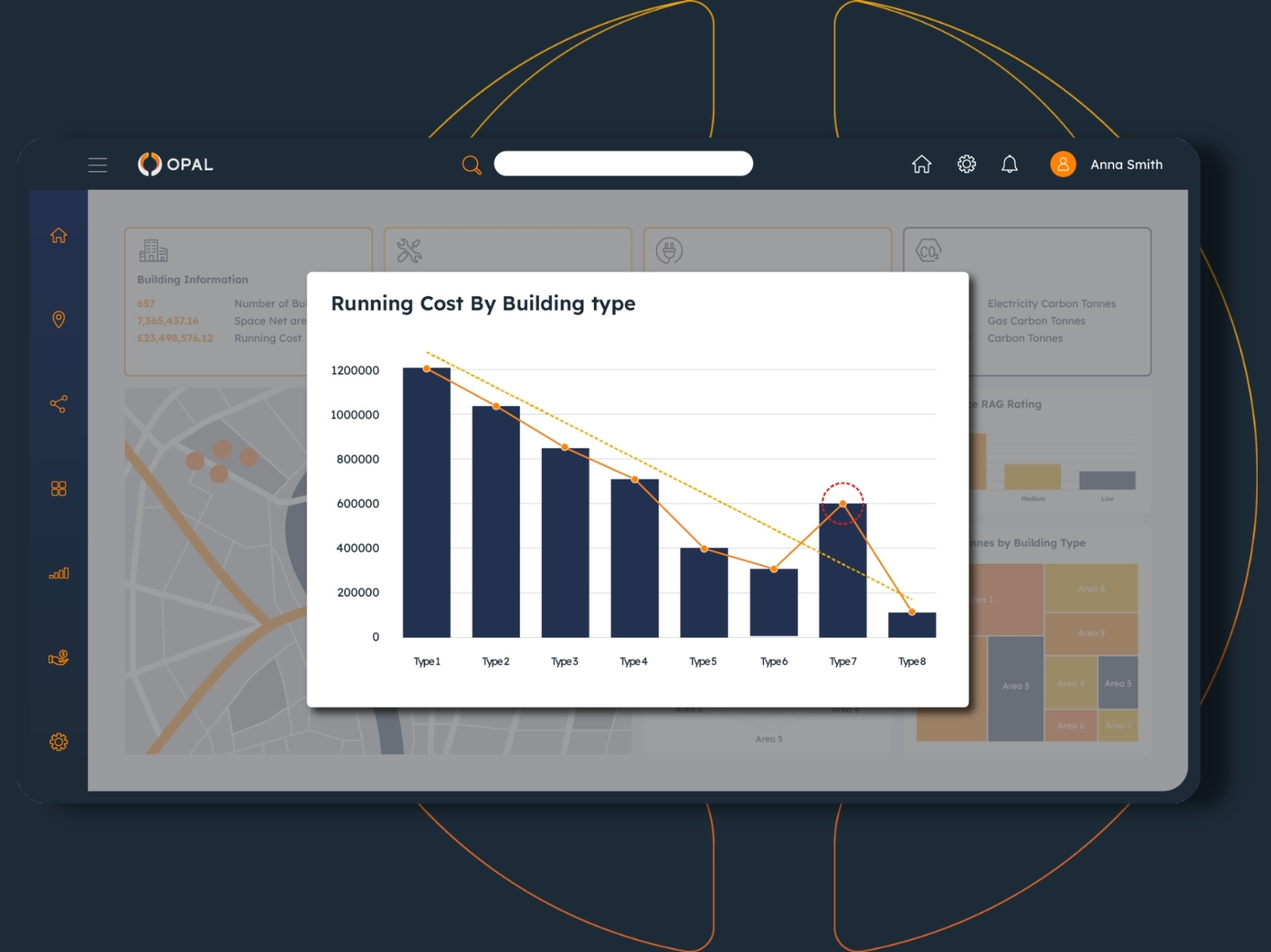
We deliver the connected view through OPAL, our enterprise property platform. OPAL was built out of two decades of consultancy across NHS, higher education, defence, and corporate estates, which is why it is shaped around the questions property teams are actually asked rather than the ones software is usually built to answer.
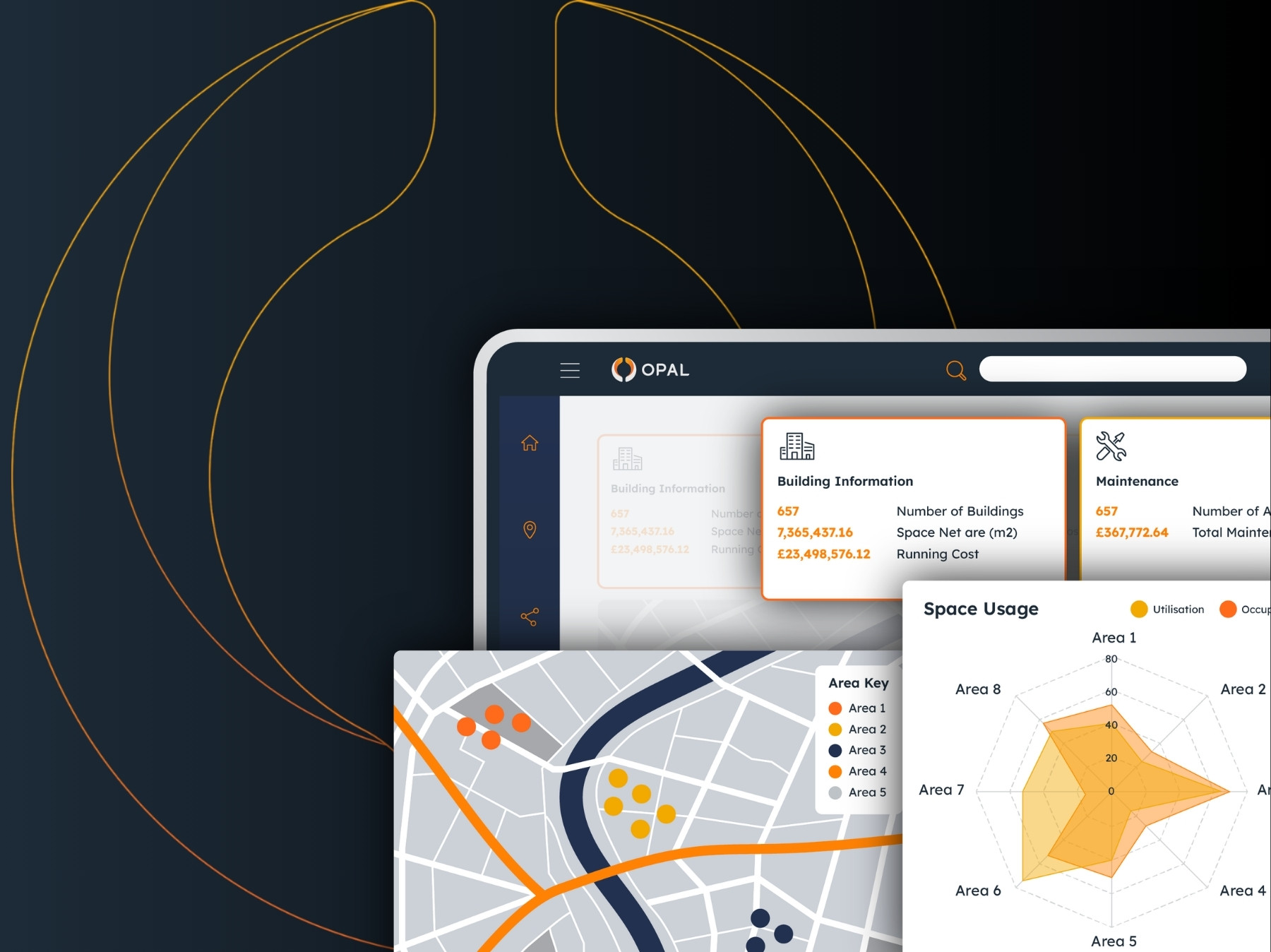
OPAL brings space, condition, carbon, and cost into one view and establishes the transparent baseline everything else is measured against. It carries lifecycle information that turns a condition survey into an investment plan, and it lets options be tested against real data so a business case can be built, challenged, and revised in a single conversation.
OPAL is up and running in 12 weeks, with the investment recovered in the first year.
Why Provelio?
Most consultancies either advise or deliver. We do both, and the connection between the two is what makes the difference.
Because we also run capital programmes and manage property portfolios, a strategy we write is shaped by what works in practice. It is sequenced by people who know what a phase actually costs to deliver, and it is handed over by people who will still be there when it is being implemented.
We work as sector specialists rather than generalists, we deliver transitions rather than transformations, and we stay engaged beyond delivery so the property and real estate keeps meeting the objectives we set with you.

Start with the diagnostic
A 30 minute conversation is enough to tell you whether this is worth pursuing. We will walk through the questions your property information currently struggles to answer, and be straight with you about what it would take to close the gap.
Common Questions
What is a digital estates strategy?
A digital estates strategy is a costed, sequenced plan for connecting the information an organisation holds about its property and real estate, so condition, compliance, space, carbon, cost, and capital data can be read together. It defines what to connect, in what order, and what each phase is worth.
How is a digital estates strategy different from an estates strategy?
An estates strategy sets out what the property is for and how it should change. A digital estates strategy establishes whether the organisation can actually answer the questions that estates strategy depends on. The two work together: the digital strategy makes the estates strategy evidenced rather than assumed.
Is this the same as buying a property management system?
No. A system is one component. A digital estates strategy decides what needs connecting, in what order, and why, before anything is bought or configured. Organisations that start with the system and work backwards usually end up with better software and the same fragmented picture.
How long does a digital estates strategy take?
It depends on portfolio scale and how many systems are in play, and we will give you a timetable after the first conversation rather than before it. The diagnostic is deliberately short. Once the strategy is agreed, OPAL is up and running in 12 weeks.
What data do we need before we start?
Whatever you already hold. The diagnostic starts with your existing asset register, condition surveys, compliance records, space data, and capital plan, in whatever state they are in. Establishing what those can and cannot answer is the first deliverable, not a prerequisite.
Our data quality is poor. Should we wait until it improves?
Data quality is the reason to start, not a reason to wait. The diagnostic identifies which datasets are strong enough to act on today and which need work, so effort goes where it changes a decision rather than into a general cleanse. Waiting for complete data is the most expensive option available.
Will this replace our existing systems?
Usually not. Most systems are doing the job they were bought to do, and the gap is the layer above them where information can be read together. We start by working with what is already in place and recommend replacement only where the case is clear and stated.
How do you build the business case for property technology investment?
The strategy stage produces the case before you commit to the build. Benefits are named, sized, and assigned to an owner who will have to deliver them, and they are grouped into investment sequencing, released time, and avoided reactive cost. The measures are agreed before the build starts, not after.
Who needs to be involved from our side?
A senior sponsor, usually the Estates Director or Head of Real Estate, someone who knows where the data actually lives, and a finance contact who will test the case. Information technology colleagues are involved from the diagnostic onward, because the strategy has to sit inside your wider digital governance.
How does this fit with our organisation wide digital strategy?
It should sit inside it rather than beside it. Organisational digital strategies are usually built around core operational systems, and property is often the last domain brought in. We write the digital estates strategy so it maps onto the existing strategy and reports into the same governance.
Do we have to use OPAL?
OPAL is how we deliver the connected view, and it is what we recommend, because we built it out of exactly this work. The strategy itself is a product of the diagnostic rather than of the platform: the sequencing, the case, and the governance model hold regardless.
How do we know the savings will be real?
Because we measure them. The benefits realisation framework is agreed during the strategy stage, with baselines captured before anything changes, and we track realised benefits against the original case during the embedding stage. If a benefit is not materialising, you will hear it from us first.